Climate Change’s Impact on US Agriculture: 2026 Crop Yield Forecast
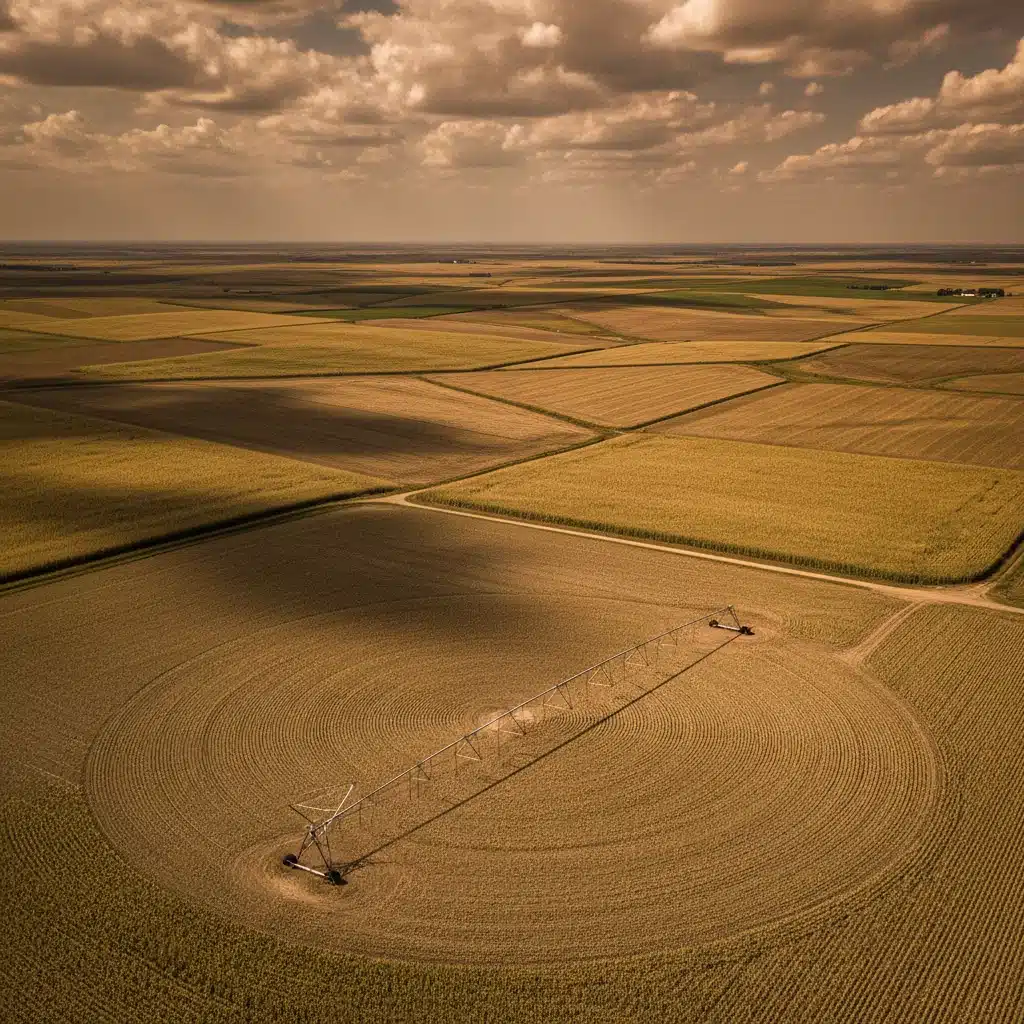
The Looming Harvest: Climate Change’s Impact on US Agriculture by 2026
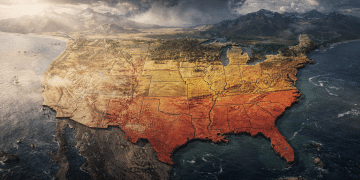
Climate change is no longer a distant threat; it is a present reality shaping our world, and its implications for the United States’ agricultural sector are becoming increasingly clear and urgent. As we look towards 2026, the projections for US agriculture climate change reveal a complex tapestry of challenges, primarily manifesting as significant crop yield reductions and heightened food security concerns. This comprehensive analysis delves into the anticipated shifts, exploring the scientific forecasts, regional vulnerabilities, economic repercussions, and the critical need for proactive adaptation strategies to safeguard the nation’s food supply.
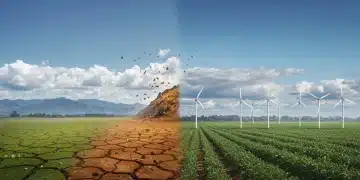
The agricultural sector is uniquely vulnerable to climate fluctuations. It relies heavily on predictable weather patterns, stable temperatures, and adequate water resources. However, the accelerating pace of climate change is disrupting these fundamental elements, leading to more frequent and intense extreme weather events, altered precipitation patterns, and rising temperatures. By 2026, these changes are expected to translate into tangible impacts on what and how much the U.S. can produce, directly affecting everything from farm-gate prices to consumer grocery bills.
Understanding the Climate Science: What 2026 Holds for US Agriculture
The scientific consensus on climate change’s trajectory is robust. Global average temperatures continue to rise, and this warming trend brings with it a cascade of effects pertinent to US agriculture climate change. For the U.S., projections for 2026 indicate a continuation, and in many cases, an intensification, of trends already observed:
- Increased Frequency and Intensity of Heatwaves: Higher average temperatures mean more days with extreme heat. This directly impacts crop physiology, leading to heat stress, reduced photosynthesis, and accelerated maturation cycles that can cut short crucial grain-filling periods. Livestock also suffer from heat stress, impacting productivity and health.
- Altered Precipitation Patterns: Some regions are projected to experience more intense rainfall events, leading to increased erosion and nutrient runoff, while others face prolonged and severe droughts. Both extremes are detrimental. Droughts reduce water availability for irrigation and rain-fed crops, while excessive rain can cause flooding, waterlogging, and hinder planting and harvesting operations.
- Changes in Growing Seasons: Warmer temperatures can extend growing seasons in some northern regions, potentially allowing for new crop varieties or multiple harvests. However, this often comes with risks, such as earlier spring thaws followed by late frosts, which can devastate newly emerged crops.
- Increased Pests and Diseases: Warmer winters fail to kill off overwintering pests and pathogens, leading to their earlier emergence and wider geographical spread. This necessitates increased pesticide use, which has environmental and economic implications.
- Carbon Dioxide Fertilization Effect: While elevated CO2 levels can initially boost photosynthesis for some crops (C3 plants like wheat, rice, and soybeans), this benefit is often offset by other stressors like heat and water scarcity. Moreover, increased CO2 can lead to reduced nutritional content in some crops.
By 2026, these phenomena will not be isolated incidents but rather a consistent backdrop against which U.S. farmers operate. The cumulative effect will be a less predictable and more challenging environment for agricultural production.
Projected Crop Yield Reductions: A Regional Breakdown
The impact of US agriculture climate change will not be uniform across the nation. Different regions, with their distinct climates, soil types, and crop portfolios, will face unique challenges and varying degrees of yield reduction:
The Midwest: Corn, Soybeans, and the Breadbasket’s Burden
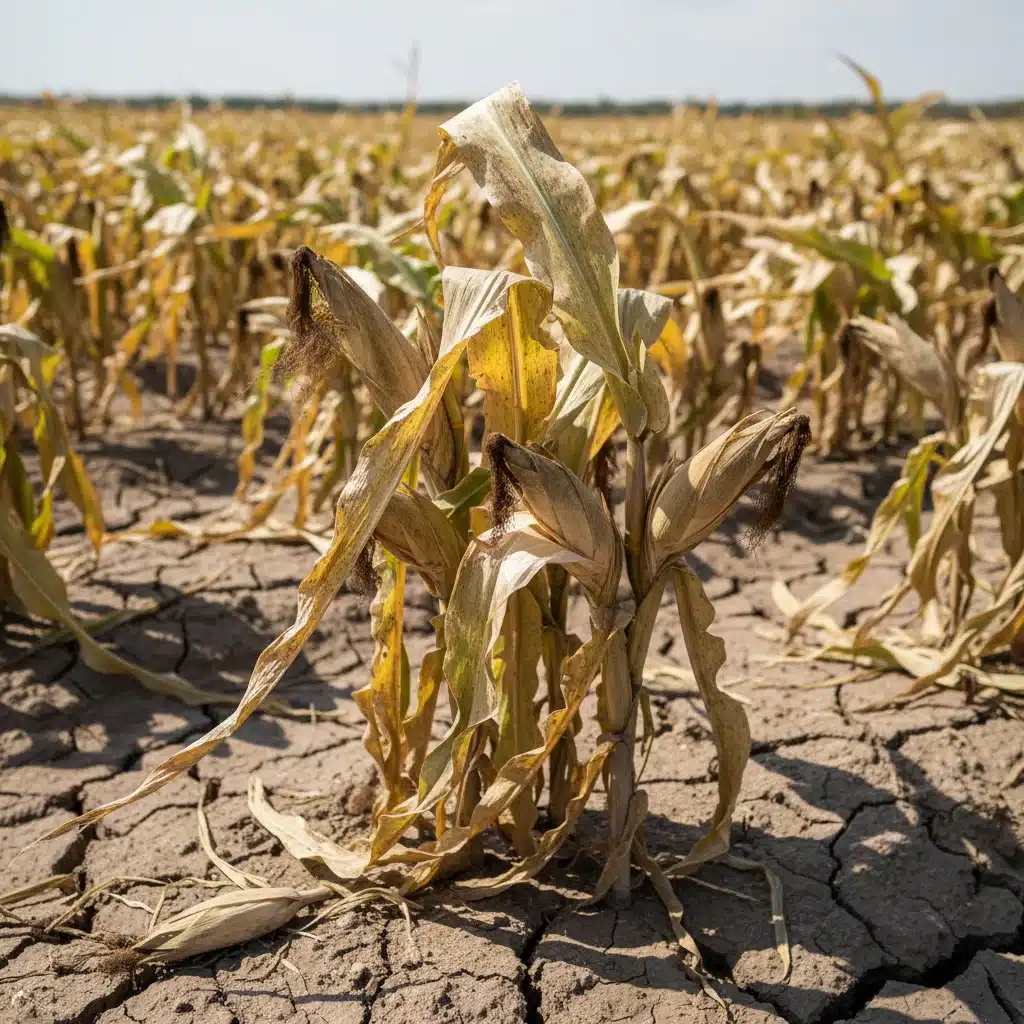
The Midwest, the heartland of U.S. agriculture, is a primary producer of corn and soybeans. By 2026, this region is expected to experience more frequent intense heatwaves and altered rainfall patterns. Models predict a significant decrease in corn yields, potentially ranging from 10% to 25% in severe scenarios, primarily due to heat stress during critical pollination periods and increased drought frequency. Soybean yields, while somewhat more resilient to heat, will still face declines due to water scarcity and shifts in growing conditions. The economic ripple effect on the global grain markets could be substantial.
The West and Southwest: Water Scarcity and Specialty Crops
Already grappling with chronic water shortages, the Western and Southwestern U.S. will see their challenges exacerbated. Decreased snowpack in the Rocky Mountains—a vital source of irrigation water—combined with prolonged droughts and rising temperatures, will severely impact agriculture. Specialty crops such as fruits, nuts, and vegetables, which are often highly water-intensive and localized, are particularly vulnerable. California, a major producer of these crops, could see significant reductions in output, leading to higher prices and potential supply chain disruptions for consumers nationwide.
The Southeast: Heat, Humidity, and New Pests
The Southeast faces a combination of rising temperatures, increased humidity, and more intense rainfall events, alongside a heightened risk of tropical storms and hurricanes. While some areas might see extended growing seasons, the pervasive heat and humidity will stress crops like cotton, peanuts, and tobacco. The region is also highly susceptible to the spread of new pests and diseases thriving in warmer, wetter conditions, posing additional threats to crop health and productivity.
The Northeast: Mixed Impacts and Adaptation Opportunities
The Northeast might experience a more mixed bag of impacts. While warmer temperatures could potentially lengthen growing seasons, increasing the viability of certain crops, the region is also projected to face more intense precipitation events and increased pest pressure. Dairy and specialty crop farmers will need to adapt to these shifts, exploring new varieties and management practices.
Food Security Challenges: Beyond the Farm Gate
Crop yield reductions directly translate into broader food security challenges for the U.S. and, given the nation’s role as a global food exporter, for the international community. By 2026, several interconnected issues are likely to emerge or intensify:
Rising Food Prices
Reduced supply due to lower yields will inevitably lead to higher commodity prices. This will impact consumer grocery bills, particularly for staple foods like bread, cereals, and produce. Vulnerable populations, who spend a larger proportion of their income on food, will be disproportionately affected, exacerbating food insecurity and potentially increasing demand for food assistance programs.
Supply Chain Disruptions
Extreme weather events, such as hurricanes, floods, and droughts, can disrupt transportation networks, processing facilities, and storage infrastructure. This can lead to localized food shortages, spoilage, and further price volatility, making it harder for food to get from farms to tables efficiently.
Nutritional Security Concerns
Beyond caloric intake, climate change can also affect the nutritional quality of crops. Studies suggest that elevated CO2 levels can reduce the protein and micronutrient content in some staple crops. If consumers are forced to rely on a narrower range of foods due to availability or price, this could have long-term public health implications.
Impact on Global Food Markets
The U.S. is a major agricultural exporter. Significant domestic yield reductions could affect global food prices and trade dynamics, potentially leading to increased food insecurity in import-dependent nations and contributing to international instability.
Economic Repercussions for the Agricultural Sector
The economic impact of US agriculture climate change extends far beyond reduced yields and higher food prices. Farmers face a multitude of financial challenges:
- Increased Input Costs: Adapting to climate change often requires investments in new irrigation technologies, drought-resistant seeds, or pest management strategies, all of which increase operational costs.
- Reduced Farm Income: Lower yields directly translate to reduced revenues for farmers. Crop insurance might mitigate some losses, but it doesn’t always cover the full extent of damages or the long-term financial strain.
- Land Value Depreciation: Areas frequently hit by extreme weather or facing severe water scarcity might see a decline in agricultural land values, impacting farmers’ assets and borrowing capacity.
- Labor Challenges: Extreme heat can make fieldwork more difficult and dangerous, potentially leading to labor shortages or increased labor costs.
- Rural Community Impacts: The agricultural sector is the backbone of many rural economies. Financial distress among farmers can ripple through local communities, affecting businesses, services, and overall economic stability.
By 2026, these economic pressures could lead to increased farm bankruptcies, consolidation within the industry, and a significant shift in the agricultural landscape.
Adaptation and Mitigation Strategies: Building Resilience
While the outlook for US agriculture climate change by 2026 presents significant challenges, it also underscores the critical importance of proactive adaptation and mitigation strategies. Building resilience into the agricultural system is paramount:
Technological Innovations and Research
- Drought-Resistant and Heat-Tolerant Crops: Continued investment in plant breeding and genetic engineering to develop varieties that can withstand extreme conditions is crucial.
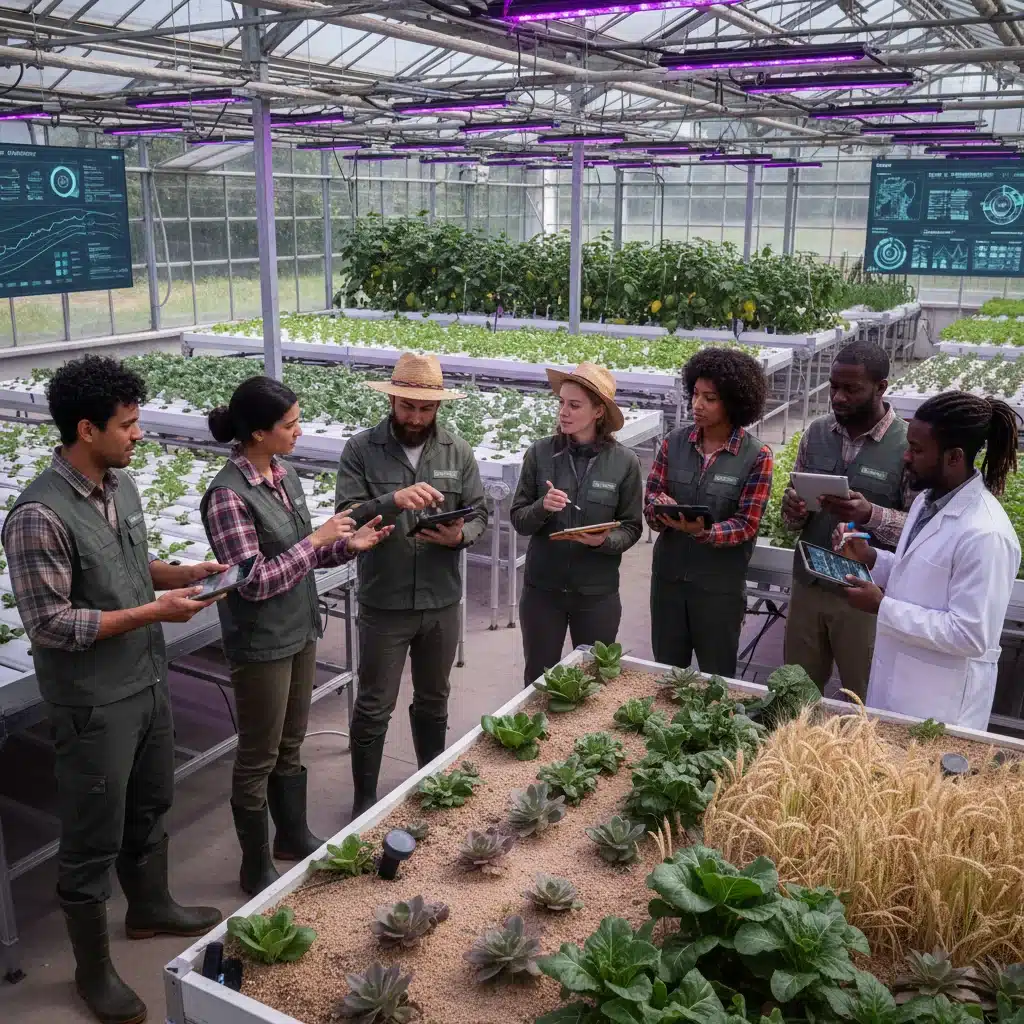
- Precision Agriculture: Utilizing technologies like GPS, sensors, and drones to optimize water use, fertilizer application, and pest management can significantly increase efficiency and reduce waste.
- Advanced Irrigation Systems: Implementing drip irrigation, smart irrigation, and other water-saving technologies can help conserve scarce water resources.
- Forecasting and Early Warning Systems: Improved climate models and localized weather forecasting can help farmers make better planting and harvesting decisions, mitigating risks.
Sustainable Farming Practices
- Cover Cropping and No-Till Farming: These practices improve soil health, increase water retention, reduce erosion, and sequester carbon, making farms more resilient to both droughts and heavy rainfall.
- Crop Diversification: Relying on a wider range of crops can reduce the risk associated with the failure of a single crop due to adverse conditions.
- Agroforestry: Integrating trees into agricultural landscapes can provide shade, reduce wind erosion, improve soil health, and offer additional income streams.
- Water Management: Implementing rainwater harvesting, efficient reservoir management, and exploring alternative water sources.
Policy and Financial Support
- Government Subsidies and Incentives: Policies that encourage the adoption of climate-resilient practices, such as subsidies for sustainable farming or investment in renewable energy on farms.
- Enhanced Crop Insurance: Expanding and refining crop insurance programs to better cover climate-related losses and incentivize adaptive practices.
- Research and Development Funding: Increased public and private funding for agricultural research focused on climate adaptation.
- Extension Services: Strengthening agricultural extension services to disseminate best practices and new technologies to farmers effectively.
Consumer and Supply Chain Engagement
- Supporting Local and Sustainable Agriculture: Consumers can play a role by choosing products from farms that employ climate-friendly practices.
- Reducing Food Waste: Minimizing food waste throughout the supply chain, from farm to fork, can help alleviate pressure on food supplies.
- Investing in Resilient Infrastructure: Developing robust infrastructure for transportation, storage, and processing that can withstand extreme weather events.
The Road Ahead: A Call to Action for US Agriculture Climate Change
The 2026 forecast for US agriculture climate change paints a picture of significant challenges, particularly concerning crop yield reductions and food security. However, it is not a portrait of inevitable decline but rather a stark reminder of the urgent need for collective action. Farmers, policymakers, researchers, and consumers all have a vital role to play in shaping a more resilient and sustainable agricultural future.
By embracing innovation, implementing sustainable practices, and fostering supportive policies, the U.S. can mitigate the worst impacts of climate change on its food system. The investments made today in research, infrastructure, and farmer support will determine the strength and stability of the nation’s agricultural sector in 2026 and for decades to come. The goal is not merely to survive the changing climate but to thrive within it, ensuring a stable and nutritious food supply for all Americans and contributing to global food security.
The conversation around US agriculture climate change must move from awareness to aggressive action. The time for deliberation is over; the time for widespread implementation of adaptive strategies is now. Only through a concerted, multi-faceted approach can the U.S. agricultural sector navigate the complexities of a warming world and continue to feed the nation and beyond.